
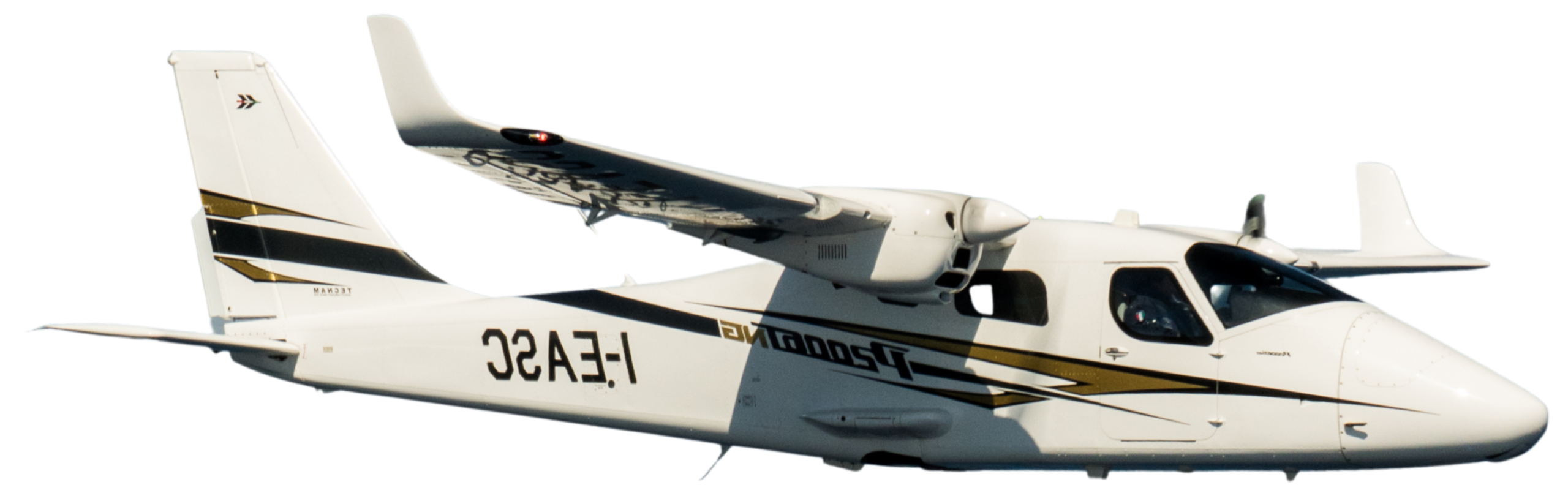
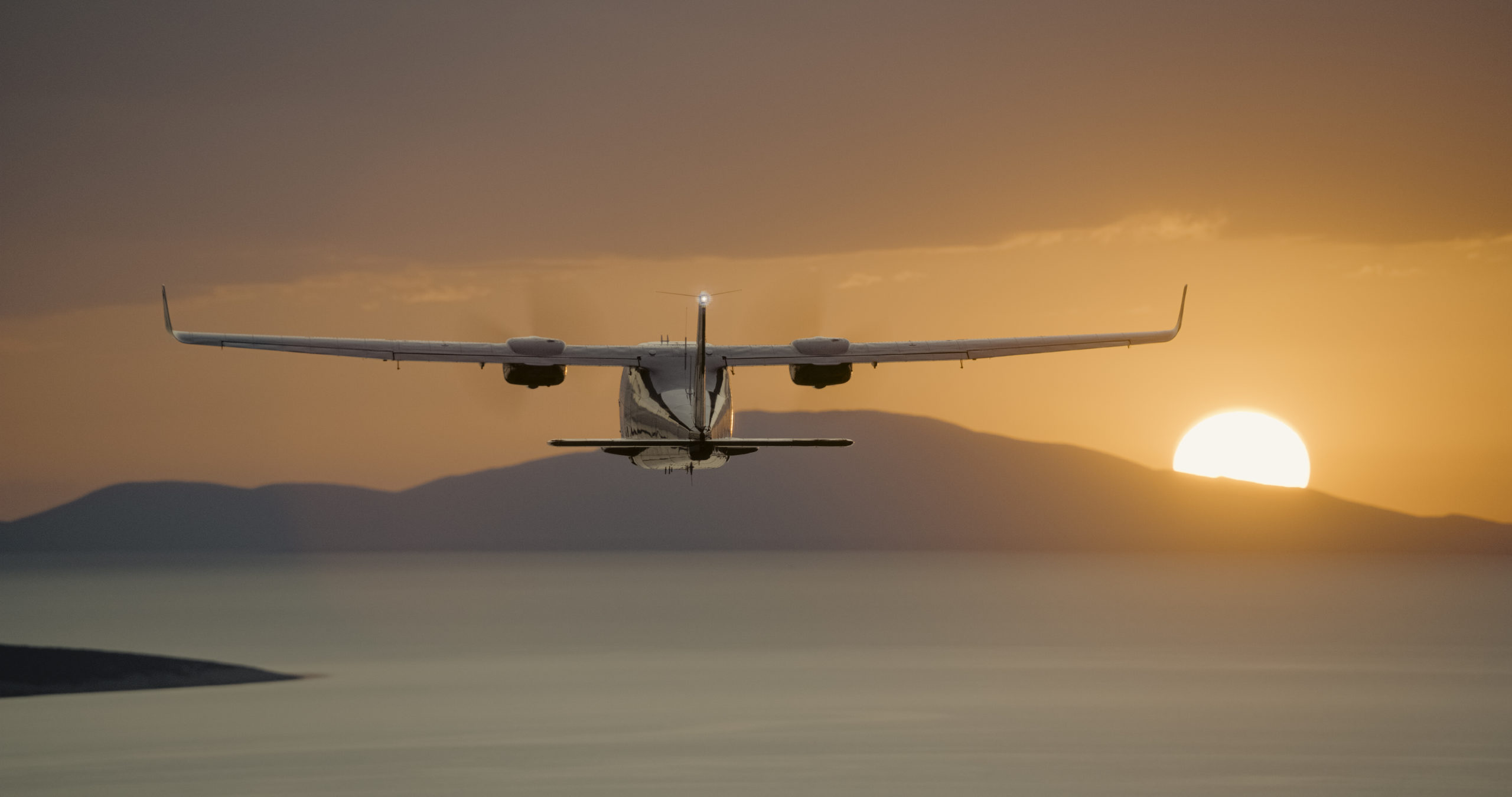
The Tecnam P2006T NG redefines access to twin-engine training. Equipped with two Rotax 912iS engines, Garmin G1000 NXi avionics with GFC 700 autopilot and Performance-Based Navigation (PBN), it provides a complete and professional training environment. Its IFR certification, retractable landing gear and 4 seats allow it to cover the entire multi-engine syllabus — from night flying to the IR-ME rating — with the lowest operating costs in its category.
The most cost-effective twin-engine trainer on the market for IR-ME training
-
Engines
2 x Rotax 912iS
-
Seats
4
-
Useful load
410 kg
-
Cruise speed
148 kt
Complete IR-ME training,
industry-standard avionics and unbeatable operating costs
The Tecnam P2006T NG is the only twin-engine trainer capable of covering the entire multi-engine training syllabus while maintaining such affordable operating costs. Its two Rotax 912iS engines deliver remarkably low fuel consumption for a twin-engine aircraft. Its Garmin G1000 NXi avionics with GFC 700 autopilot and PBN navigation faithfully replicate the cockpit environment of transport aircraft, offering students a direct transition to commercial aviation. Retractable gear, night flying, IFR: all components of the IR-ME rating are combined in a single aircraft. Spacious, comfortable and with a useful load of 410 kg, the P2006T NG adapts to all mission profiles without compromise.
-
COMPLETE IR-ME TRAINING
Night flying, IFR, retractable gear and PBN navigation: the full multi-engine instrument syllabus in a single aircraft.
-
LOW FUEL CONSUMPTION
The Rotax 912iS engines limit fuel burn to 28 l/h, ensuring economical and sustainable operations.
-
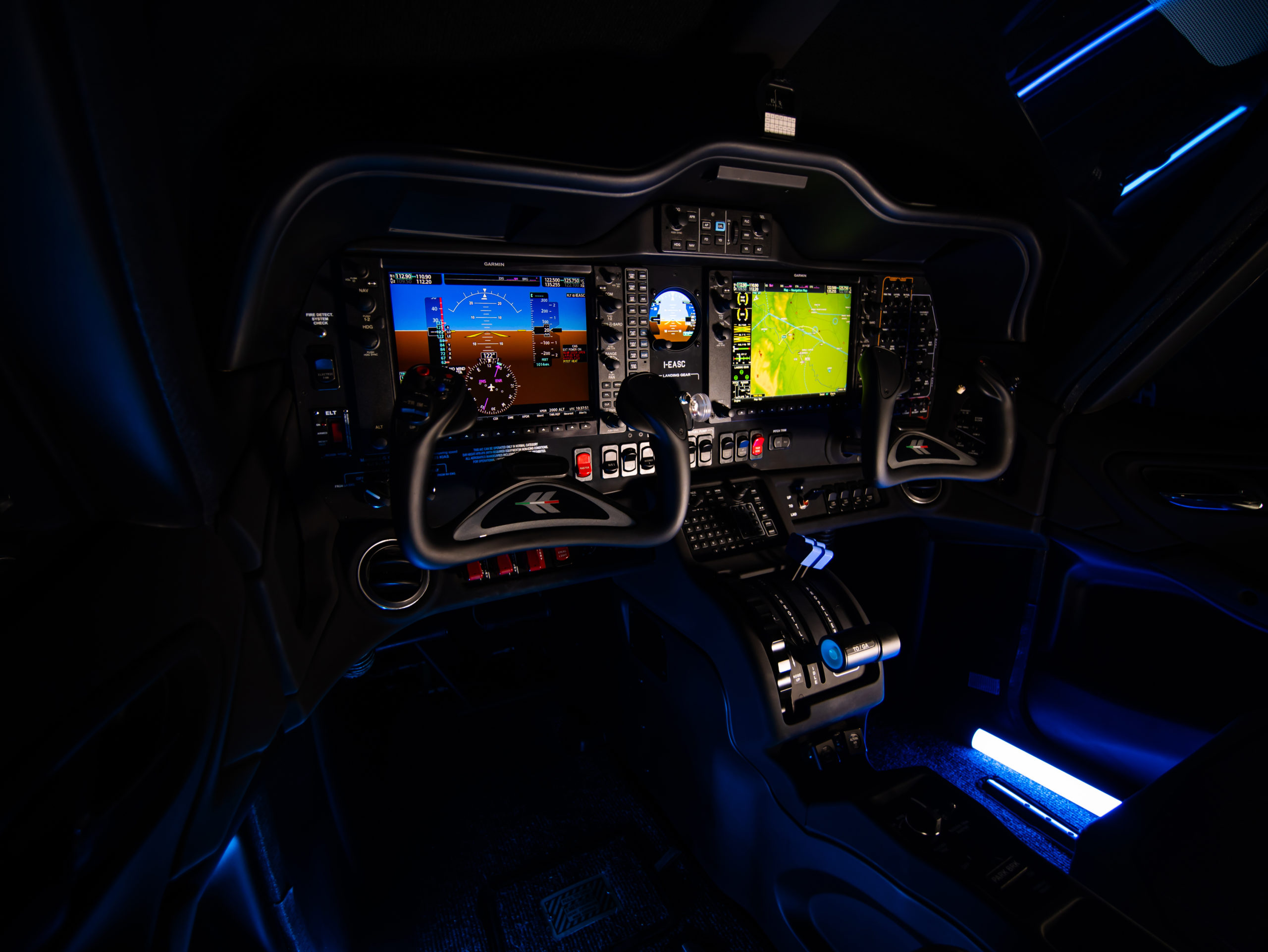
INDUSTRY-STANDARD AVIONICS
The Garmin G1000 NXi with GFC 700 autopilot places students in a cockpit environment directly transferable to commercial aviation.
-
CONTROLLED OPERATING COSTS
The P2006T NG is the most cost-effective aircraft on the market for multi-engine training.
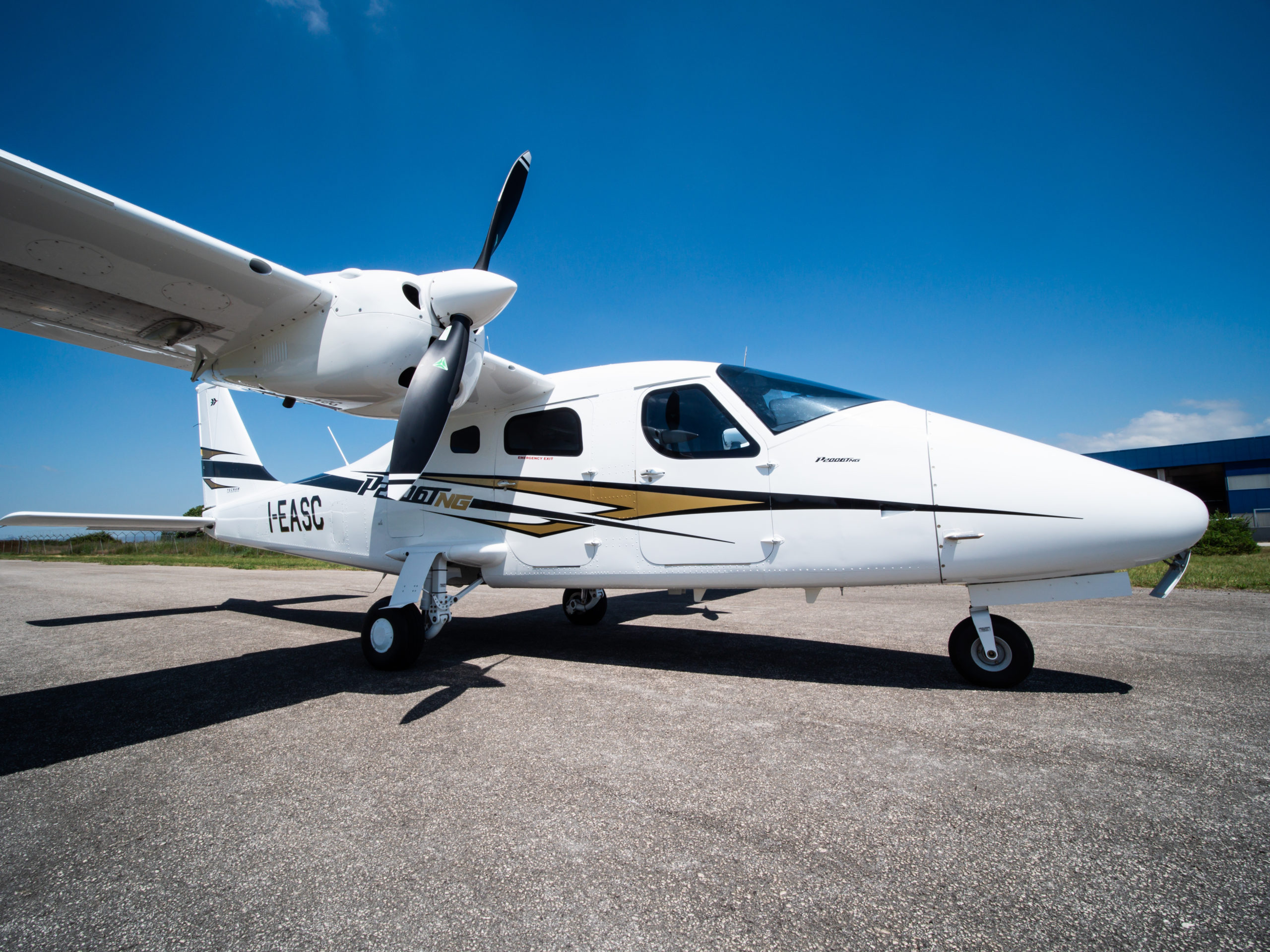
Technical information
of the P2006T NG from Tecnam
-
Wingspan 11,4 m
-
Length 8,7 m
-
Empty weight 880 kg
-
Maxi takeoff weight (MTOW) 1290 kg
-
Cruise speed 148 kt
-
Max rate of climb 920 ft/min
-
Takeoff distance 317 m
-
Power 2x100 hp
An all-inclusive aircraft leasing service from 400 flight hours per year
Enjoy a simple leasing model focused on the flying experience. Insurance, scheduled maintenance parts, airworthiness monitoring and carbon offsetting, through Aero4Good, are all included in the package. You fly the aircraft, Green Aerolease takes care of the rest.
-

Insurance
-

Scheduled maintenance parts
-

Propeller and engine overhauls
-

Airworthiness monitoring
-

Carbon offset contribution
-
400
Flight hours
per year -
500
Flight hours
per year -
600
Flight hours
per year -
800
Flight hours
per year